Nature escapes
There is a moment, usually an hour or two after leaving the city behind, when your shoulders drop and your breathing slows. That moment is what a nature escape is all about. Whether it is a weekend in a national park, a cabin by a lake, or a morning hike on a coastal trail, time spent in natural settings has a way of resetting the mind in ways that a busy city break rarely does.
This pillar page brings together everything you need to understand and plan nature escapes: what they are, the main types to consider, how to choose the right one for your situation, and how to prepare so your trip is restorative rather than stressful. It is written for travelers of all experience levels, from complete beginners planning their first outdoor weekend to seasoned hikers looking for fresh ideas.
What Is a Nature Escape?
A nature escape is any trip where the natural environment, rather than attractions, shopping, or nightlife, is the main reason for going. The destination might be a national park, a state forest, a lakeside cabin, a desert landscape, or a rugged stretch of coastline. The common thread is simple: the outdoors is the experience.
Nature escapes range widely in effort and comfort. Some involve nothing more demanding than sitting on a porch watching birds. Others require backcountry permits and multi-day treks. Neither is better than the other. A family with young children may find more joy in an accessible boardwalk trail than a strenuous summit climb, and that is a perfectly valid escape.
Why Time in Nature Matters
Research on time spent outdoors consistently points to measurable benefits: lower self-reported stress, improved mood, better sleep, and improved attention after even short periods in green or blue spaces. You do not need to be a wilderness expert to benefit. A walk under trees in a local park counts; a week in the backcountry counts even more. The key is intentionality, choosing to make nature the focus rather than the backdrop.
Main Types of Nature Escapes
Understanding the broad categories of nature escapes helps you match a destination to your energy, budget, and interests.
Mountain and Forest Retreats
Mountain regions and forested areas are the classic choice. Think of destinations like the Great Smoky Mountains, the Pacific Northwest’s evergreen forests, or the Appalachian trails. These escapes suit travelers who enjoy hiking, cooler temperatures, and the feeling of being enclosed by trees. Cabins, lodges, and campgrounds are usually plentiful, making logistics relatively easy.
Water-Based Escapes
Lakes, rivers, and coastlines offer a different rhythm. Kayaking, canoeing, wild swimming, fishing, or simply walking a beach at sunrise all fall into this category. Water settings tend to be especially calming, and many travelers find the combination of fresh air and open horizon uniquely restorative. Popular options include the Great Lakes region, the Carolina coast, and alpine lakes in the Rockies.
Desert and Canyon Landscapes
The American Southwest offers some of the most dramatic scenery in the country: slot canyons, red rock formations, and vast desert skies. Escapes here are best in the cooler months, and they reward travelers interested in geology, photography, and star-gazing. Because services can be far apart, these trips require a little more planning.
Wildlife and Wetland Destinations
Birdwatching hubs, wildlife refuges, and wetland parks appeal to travelers who enjoy observing rather than traversing. Places like the Everglades or coastal refuges along the Atlantic flyway offer boardwalks, guided tours, and excellent opportunities to see animals in their habitat without strenuous activity.
How to Choose the Right Nature Escape
The best escape is the one that fits your real circumstances, not an idealized version of them. Ask yourself a few honest questions before booking anything:
- How much time do you actually have? A long weekend works best within a few hours’ drive. Save ambitious destinations for trips with a full week or more.
- What is your fitness level today? Be realistic. A moderate trail with a rewarding view beats an ambitious route that leaves you exhausted.
- What season is it? Mountain trails can hold snow well into spring, deserts become dangerously hot in summer, and mosquito season shapes wetland visits.
- Do you want solitude or amenities? Remote wilderness offers quiet but fewer services. Popular parks offer facilities but also crowds.
Consider a hypothetical example: Maya, who works a demanding office job in a large city, has three days off and no camping experience. Rather than attempting a backcountry trip, she books a lakeside cabin two hours from home, plans one gentle morning hike, and leaves the rest of the schedule deliberately empty. She returns feeling genuinely rested. That is a successful nature escape, even though it involved no dramatic summits.
Matching Your Trip Type to Your Goal
- To decompress from stress: choose quiet, accessible settings, lakes, forests, gentle trails, and minimal scheduling.
- To get active: choose destinations with varied trail networks and clear route options at different difficulty levels.
- To reconnect with people: choose campgrounds or cabins with shared spaces, campfires, and room for group activities.
- To learn something: choose parks with visitor centers, ranger-led programs, or guided nature walks.
Planning Your Trip: A Practical Checklist
Good planning prevents most of the frustrations that can spoil an outdoor trip. Follow this simple sequence:
- Choose your region and reserve early. Campgrounds and popular cabins inside national and state parks often book out months ahead, especially for weekends.
- Check conditions. Look at trail status, weather forecasts, road closures, and any permit requirements before you finalize plans.
- Prepare your gear. You do not need expensive equipment for a beginner trip, but sturdy footwear, layered clothing, water, sun protection, and a paper map are non-negotiable.
- Plan food and water. Know where the nearest reliable water and food sources are, and always carry more water than you think you need.
- Share your plan. Tell someone where you are going and when you expect to return, particularly for remote areas or solo trips.
- Leave no trace. Pack out everything you pack in, stay on marked trails, and respect wildlife by observing from a distance.
Safety and Responsible Travel
Nature is rewarding but deserves respect. A few habits will keep most trips trouble-free:
- Check the weather the night before and the morning of any hike, and be willing to turn around.
- Carry the ten essentials on any trail beyond a short walk: navigation, sun protection, insulation, illumination, first aid, fire, repair kit, nutrition, hydration, and shelter.
- Know the local wildlife rules, from storing food properly in bear country to keeping a respectful distance from all animals.
- Follow current regulations regarding campfires, pets, and trail access, as rules vary by park and season.
Responsible travel also means respecting the communities that host these natural areas. Supporting local businesses, staying on designated paths to protect fragile ecosystems, and following posted guidance all help keep these places healthy for future visitors.
Making Nature Escapes a Habit
Perhaps the most valuable idea on this page is this: a nature escape does not have to be a rare, elaborate event. Travelers who build regular time outdoors into their lives, a monthly day hike, a seasonal camping weekend, an annual cabin trip, tend to get the most lasting benefit. Start small, stay curious, and let each trip teach you what kind of outdoor experience suits you best. Over time, you will develop your own list of favorite trails, lakes, and viewpoints, and the escapes will become something you look forward to not as an exception, but as a rhythm.
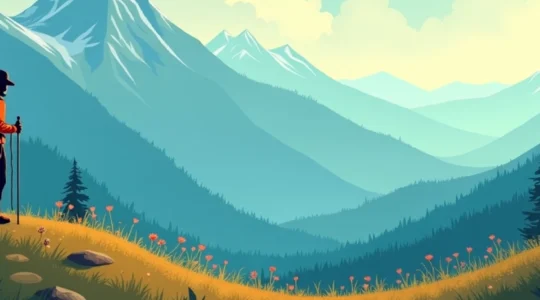
Embark on wild walks and rediscover the beauty of nature
The call of the wild beckons, inviting adventurers to explore untamed landscapes and reconnect with the natural world. As urbanization continues to dominate our daily lives, the importance of immersing oneself in nature has never been more apparent. Wild walks…
Lire la suite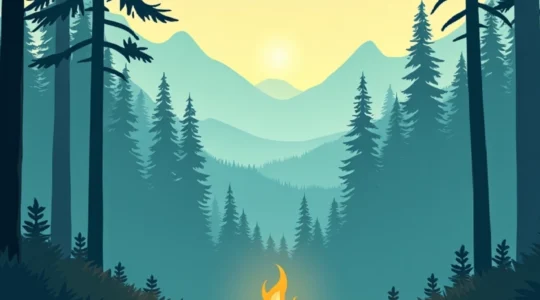
Key tips for an unforgettable camping experience in deep forests
Venturing into the heart of deep forests for a camping expedition offers an unparalleled connection with nature. The dense canopy, rich biodiversity, and serene atmosphere create a perfect backdrop for outdoor enthusiasts seeking solitude and adventure. However, camping in these…
Lire la suite